
Target group & learning goal
Who is the environment for, and which experience, development goal, or orientation is central?
Validate the target group, program, space, technology, and facilitation in a focused pilot before deciding on continuation or scaling.
Learn with purpose before scaling
A pilot is not a scaled-down final solution. It is a controlled way to examine decisions about content, technology, and organization together.
Who is the environment for, and which experience, development goal, or orientation is central?
Which assignments, roles, and learning formats fit the objective and available time?
Which combination of stations, visualization, and facilities fits the location and intended use?
Who facilitates participants, and which observations or indicators are needed to make a decision?
From intake to evaluation
The exact setup differs by organization. The components below form the integrated foundation of the pilot process.
Jointly explore objectives, target group, context, and requirements.
Develop scenarios, roles, modules, and the facilitation approach.
Configure an appropriate combination of technology, layout, and software.
Familiarize teachers, coaches, or instructors with the program and its operation.
Deliver the pilot in a controlled manner with a predefined target group.
Review feedback, observations, and potential next steps in a structured way.
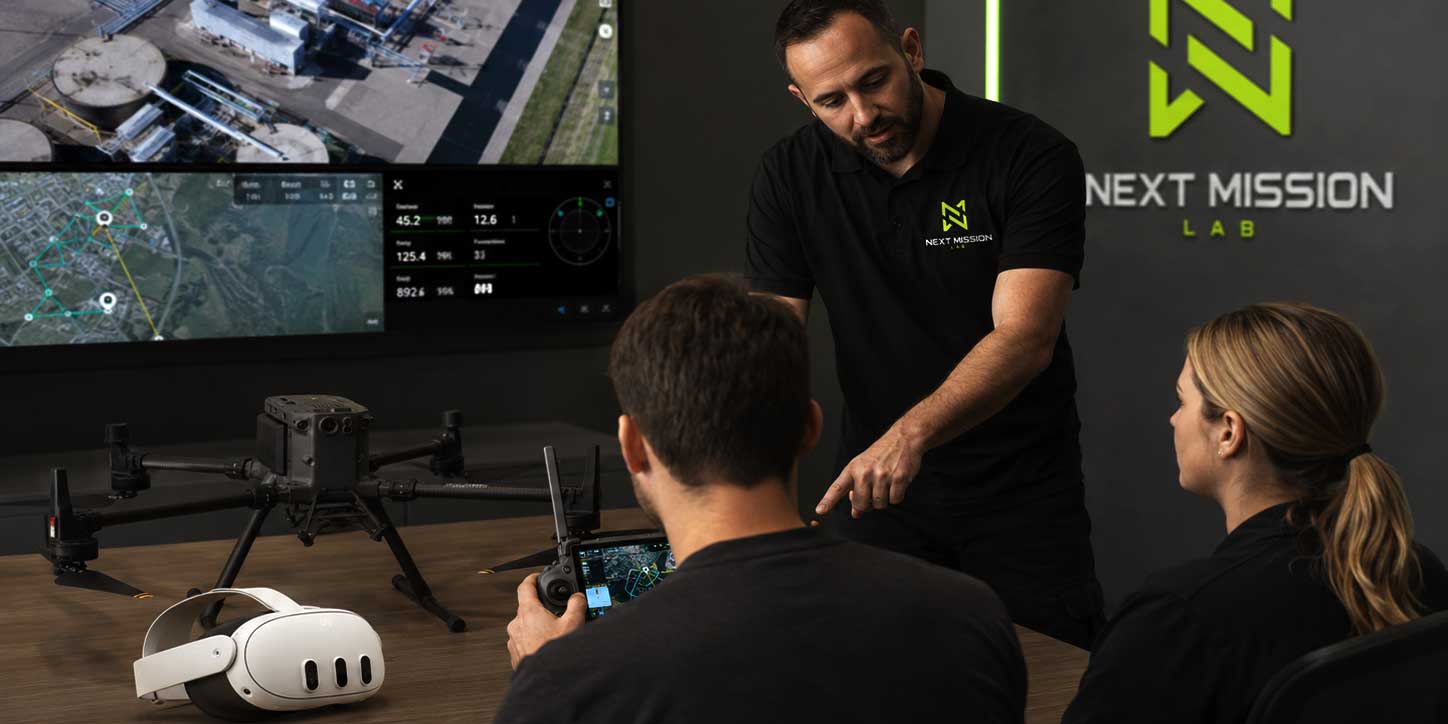
Cross-sector approach
The methodology remains consistent, while objectives, participants, scenarios, and facilitation differ between Defense and education.
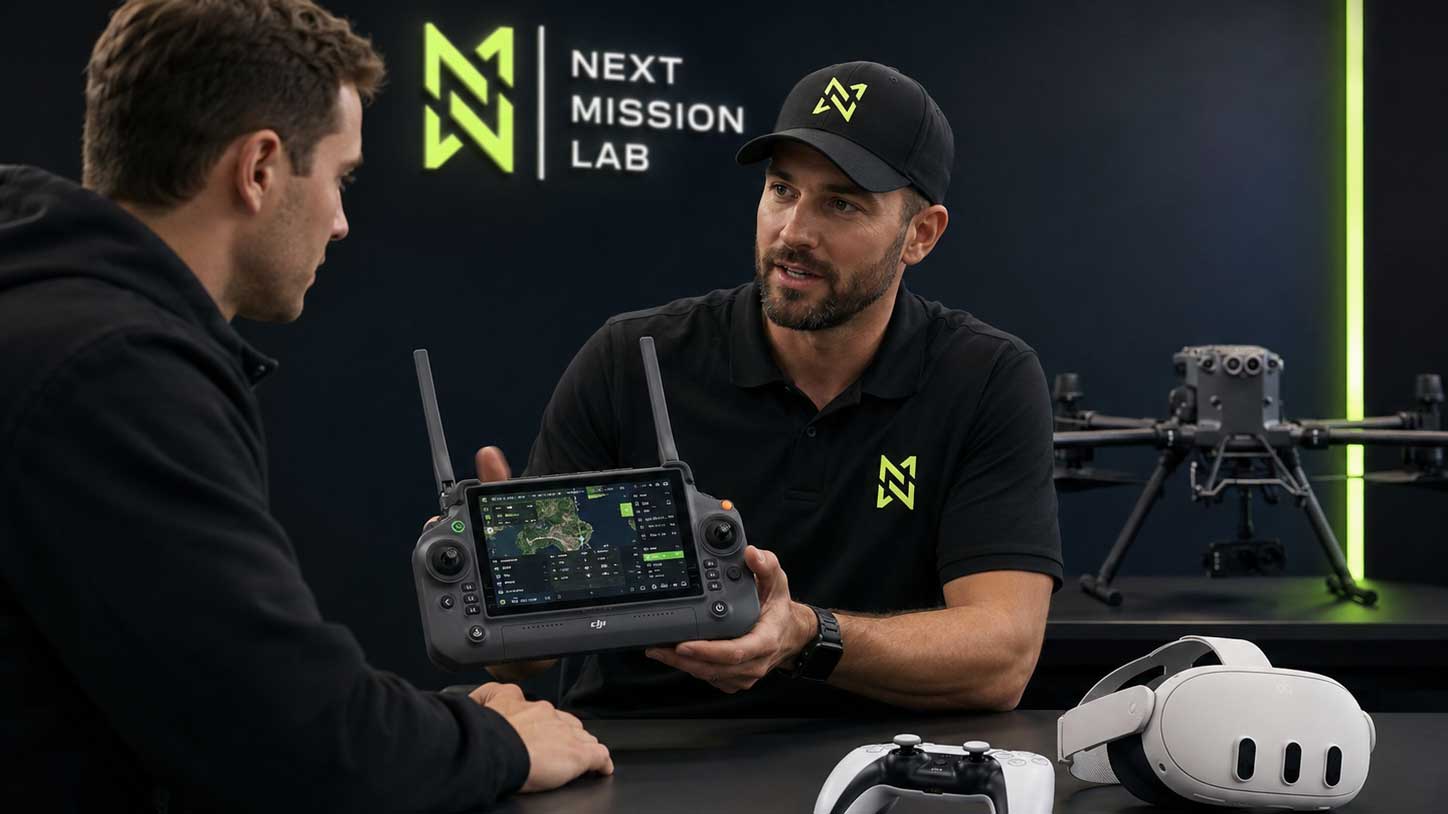
Validate how a Mission Lab can support programs for orientation, guided training, or technology demonstration.
Explore applications for Defense and security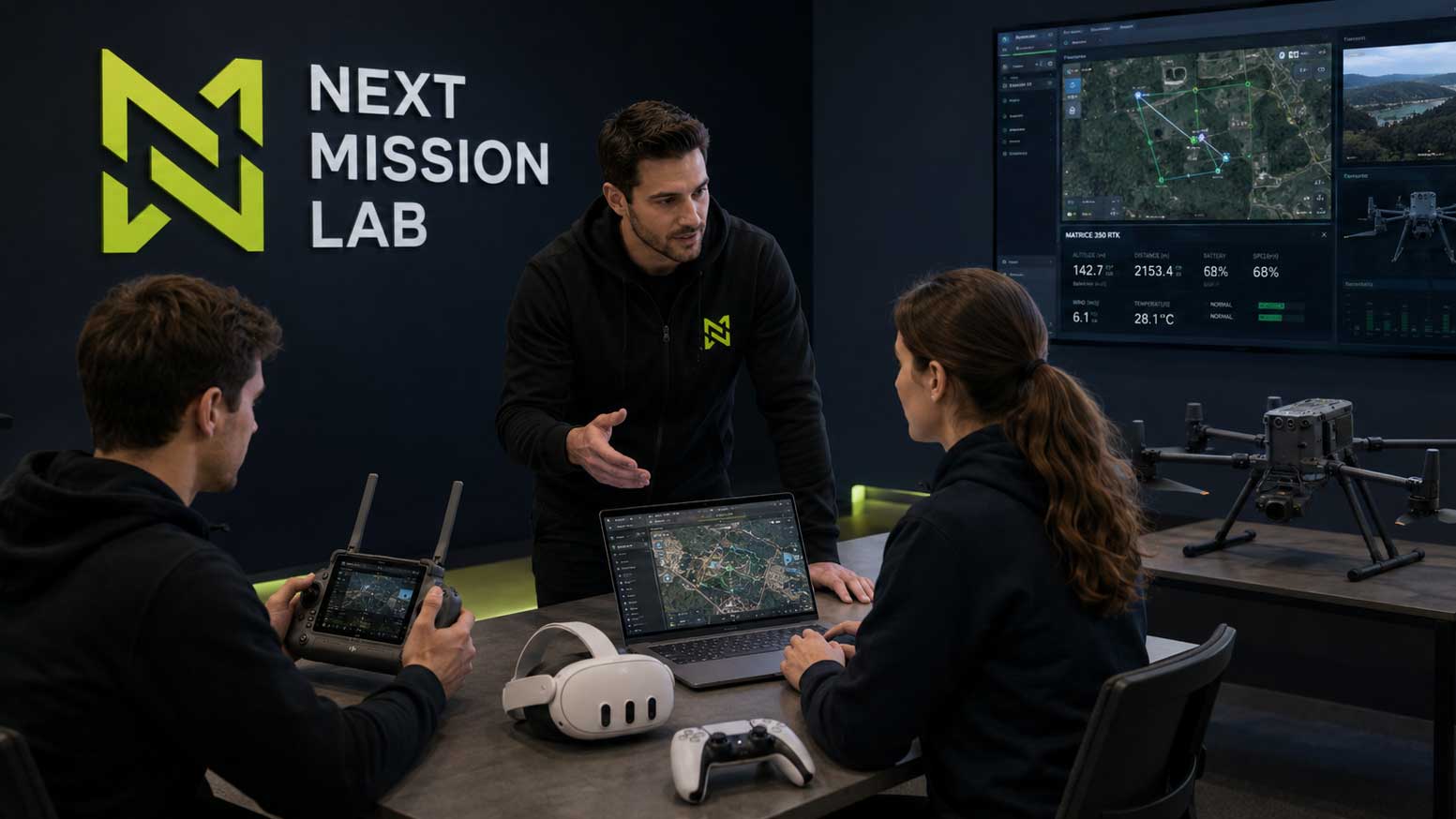
Explore how simulation can support a guest lesson, project week, elective program, or structured learning environment.
Explore applications for educationA controlled process
Each phase reduces uncertainty and prepares the next step. The detailed schedule is determined after the exploration phase.
Explore the challenge, target group, and desired outcome.
Assess space, technology, scheduling, and requirements.
Define the program, configuration, and evaluation plan.
Configure and test the environment and prepare facilitators.
Complete the agreed activities in a controlled manner.
Translate findings into a decision on next steps.
Clear in advance, useful afterward
Indicators, sources, and evaluation points are linked to the pilot objective before delivery. No outcomes are assumed or published without verifiable context.
Target groups reached and participation in pilot activities.
Usage sessions, completed modules, and planned contact time.
Availability and usability of the selected pilot setup.
Observations from participants, facilitators, and program leaders.
Interest in follow-up activities, adjustments, or continued development.
From insight to focused growth
After the pilot, your organization has clear, substantiated insights for developing a Mission Lab aligned with your target group, ambitions, and operating context.
A clear, shared understanding of the target group, objectives, use, and requirements as the foundation for successful implementation.
Practical insights to further strengthen the program, facilitation, and configuration.
A substantiated follow-up plan with clear priorities for continued development, implementation, and potential scaling.
An approach that fits
Together, we translate your objectives and context into a realistic, achievable pilot designed for future growth.
Scheduling and phases are aligned with your location, participants, objectives, and available preparation time.
Stations, modules, and support are configured around your target group and intended use.
The pilot provides a clear view of opportunities, considerations, and next steps, enabling your organization to invest confidently in further development.
Explore your pilot
Tell us about your organization, target group, location, and objectives. We will explore a suitable pilot approach.