
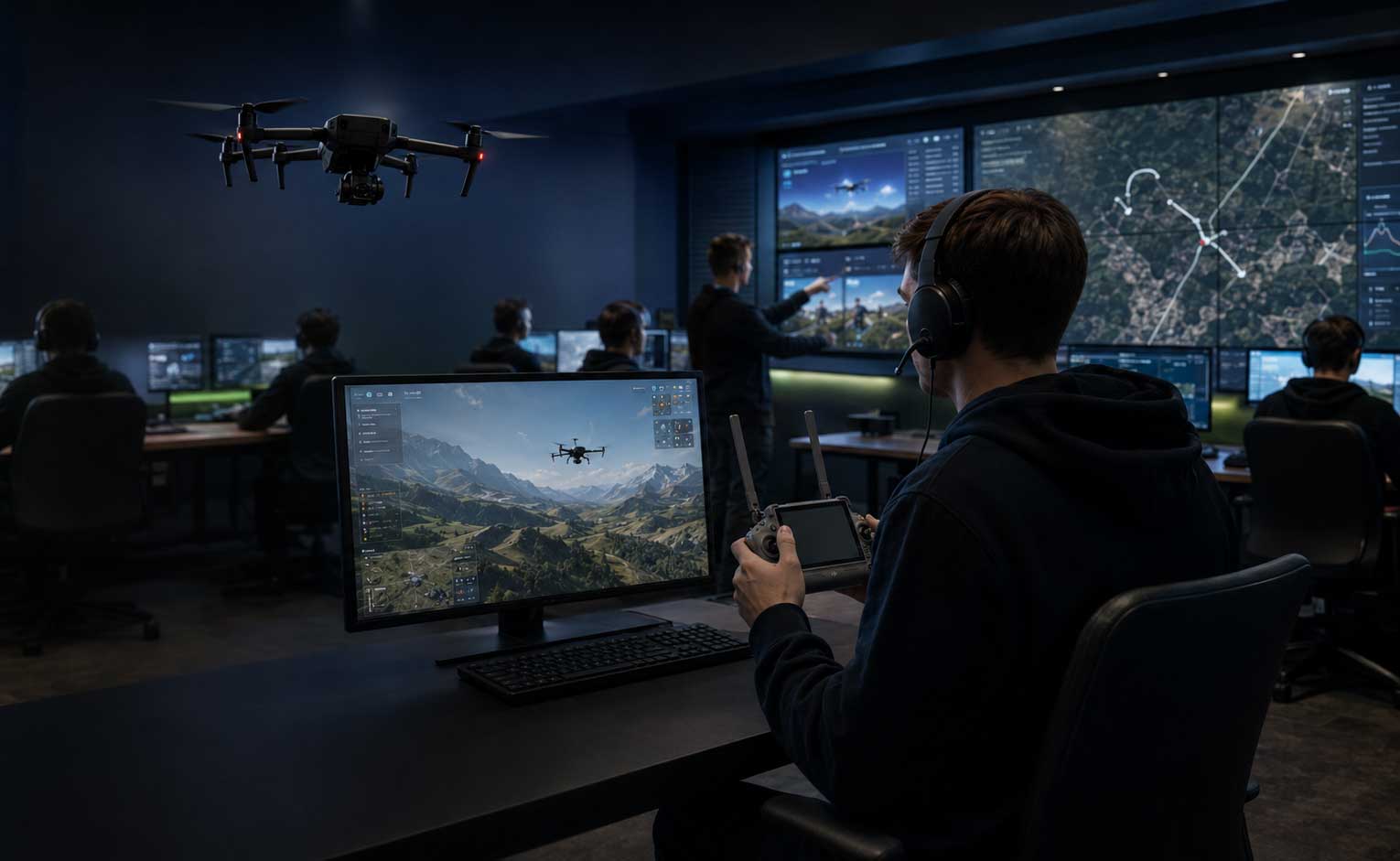
Experience
Students operate systems and make technology immediately tangible.
We combine simulation, projects, and facilitation in a learning environment where students experience technology firsthand, develop skills, and explore potential career pathways.
From watching to hands-on experience
Technology becomes meaningful when participants can operate it, investigate it, and connect it to a recognizable assignment.
Students operate systems and make technology immediately tangible.
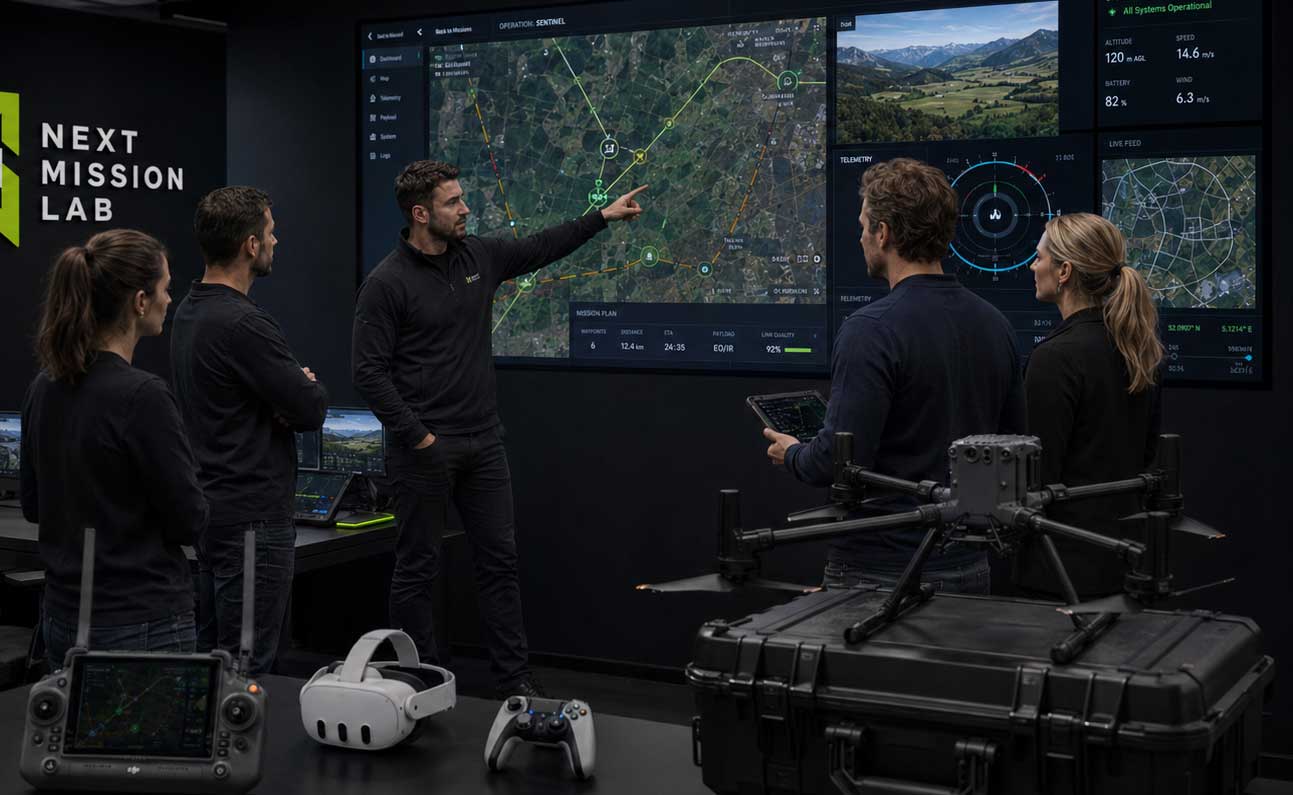
They explore technical roles, applications, and potential areas of interest.
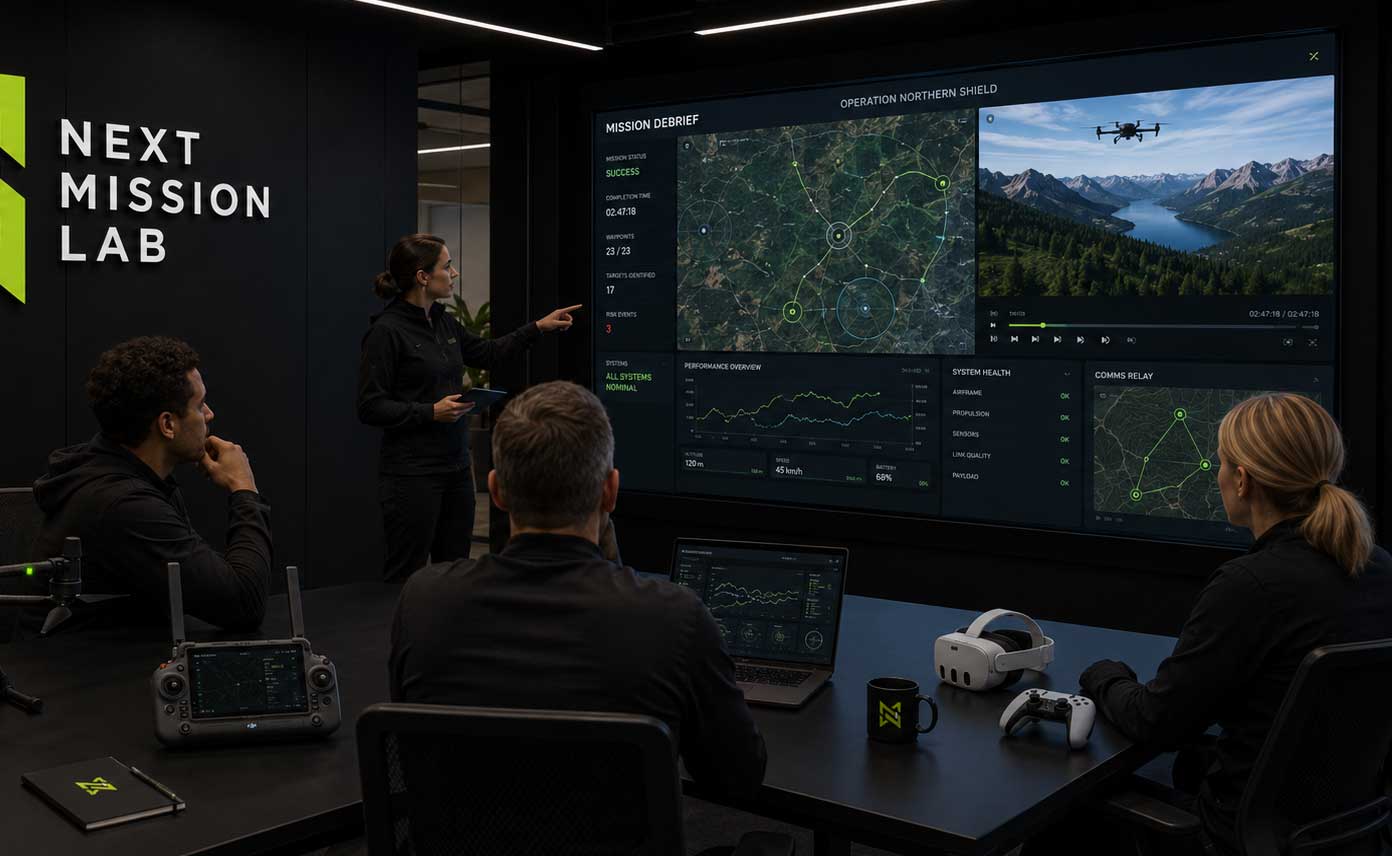
Guided assignments connect technology with planning, teamwork, and communication.
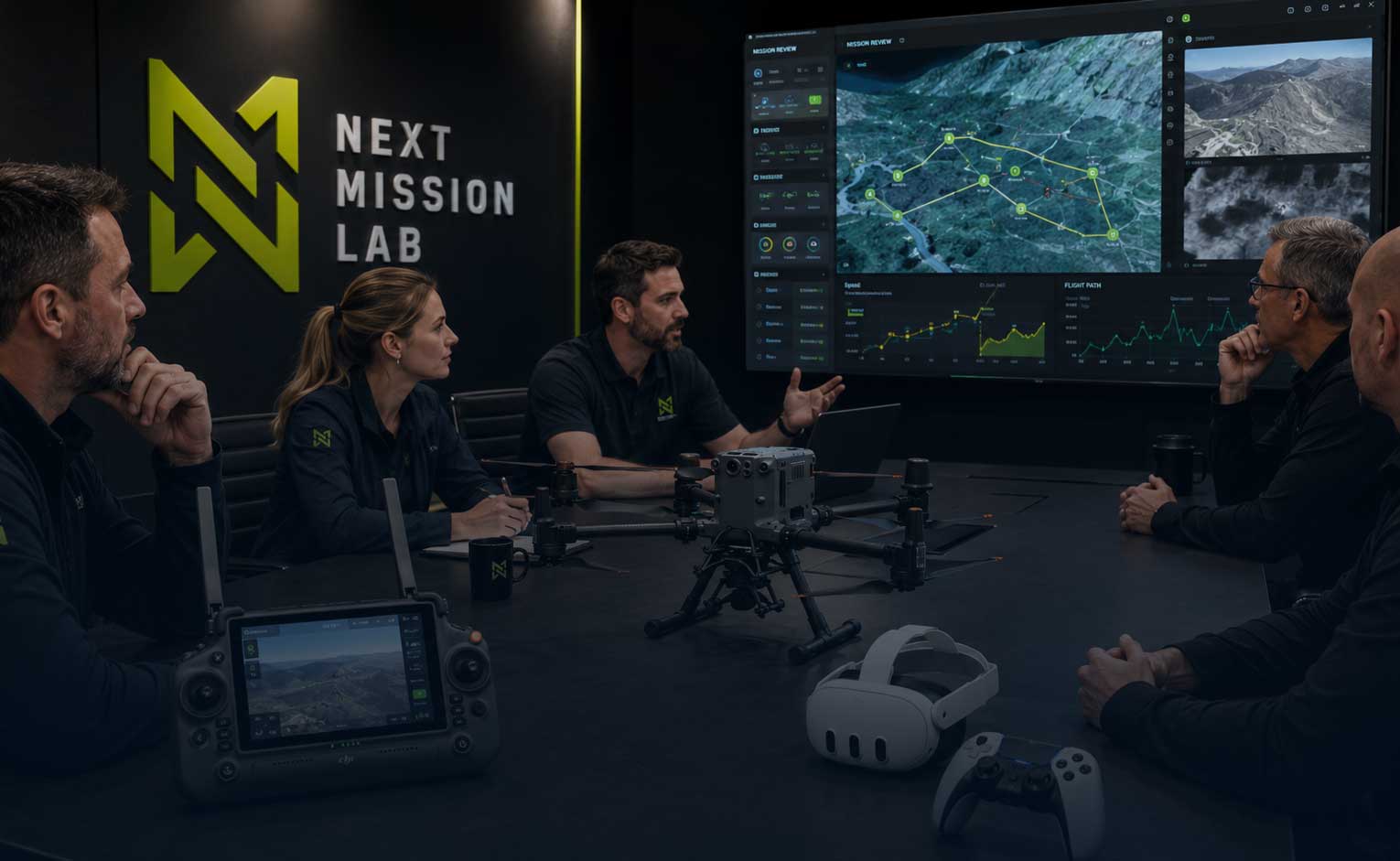
Participants reflect on their choices and determine an appropriate next step together.
From short program to permanent environment
A Mission Lab does not need to be a permanent facility from day one. Its format can grow with the objective, available space, and facilitator experience.
A compact introduction in which participants see, operate, and discuss technology.
An in-depth program with a briefing, exercises, team roles, and a shared assignment.
Multiple modules tailored to participants’ level, learning goals, and available instruction time.
A permanent learning environment for recurring activities, projects, and continued development.
Our first solution
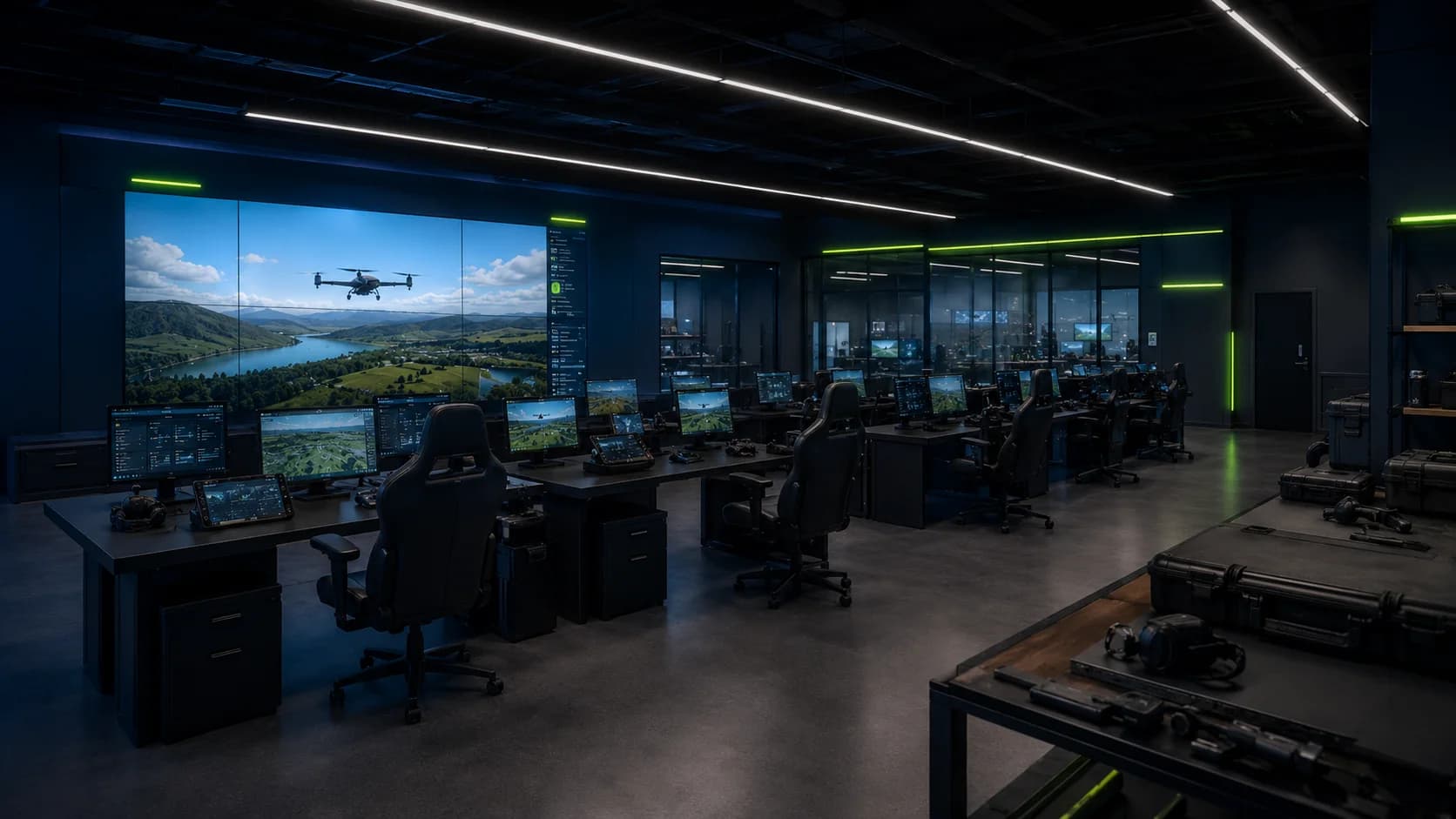
Drone Mission Lab combines professional simulation, guided assignments, and shared reflection in one modular learning environment.
Modules can be used individually or combined into a program in which participants collaborate from different roles.
Tailored to level and context
The program is based on the school’s education level and objectives. The examples below are possible learning formats, not a fixed curriculum.
Explore controls, technology, and teamwork through clear, guided assignments.
Connect technical actions, roles, and scenarios to career-focused projects and reflection.
Use more complex challenges to examine systems, information, design choices, and teamwork.
Supported from setup through operation
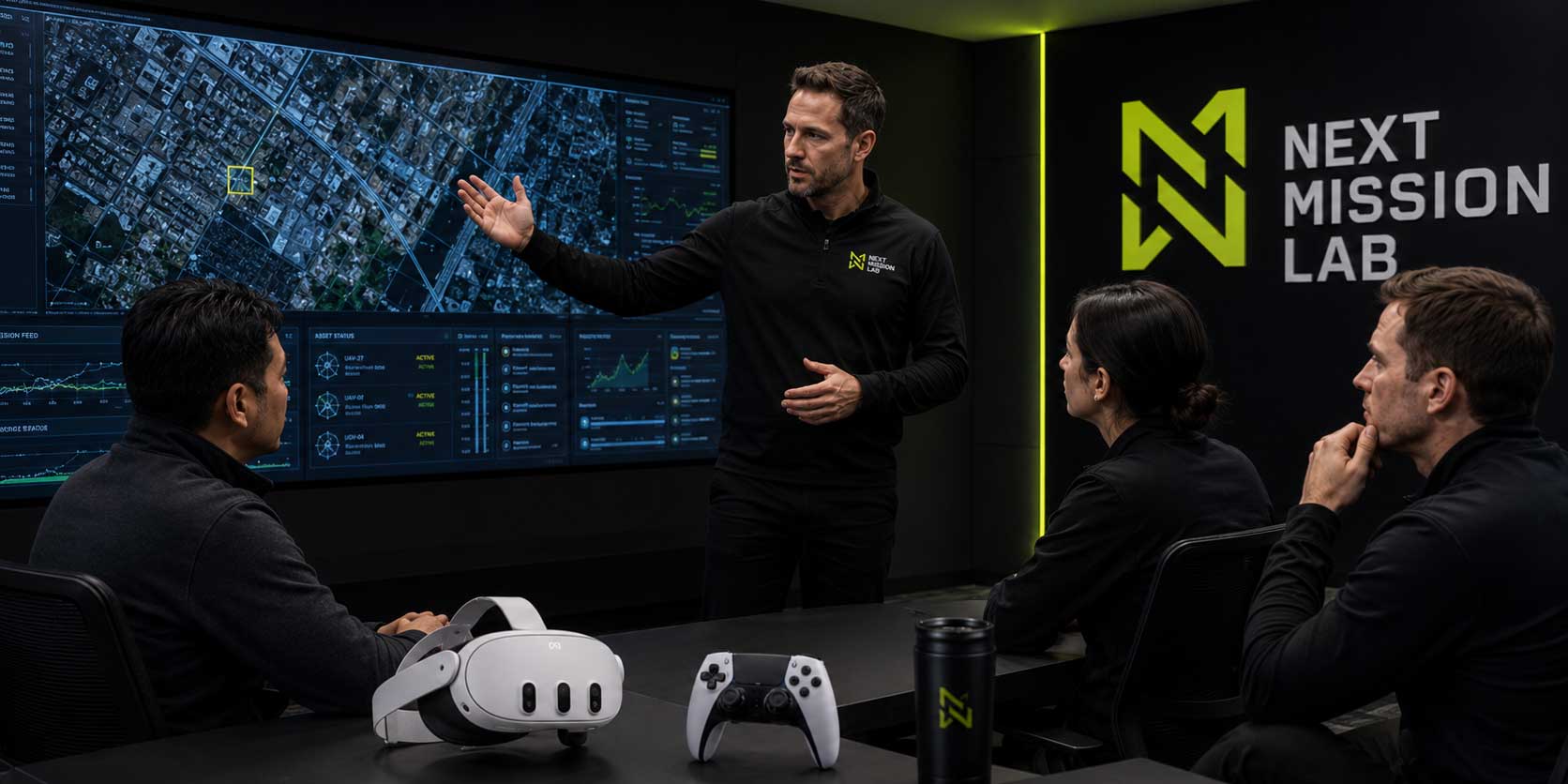
Technology supports education but does not replace the teacher. A clear program, defined roles, and practical support make the environment effective.
Assignments, scenarios, and learning formats are tailored to the target group and activity.
Teachers and facilitators receive instruction on operation, roles, and participant guidance.
Rules for operation, supervision, and simulation are clearly documented in advance.
The setup can include maintenance, updates, and launch support.
Implement step by step
Begin with a focused question and build on feedback from participants and facilitators.
We define the target group, educational context, available time, and intended learning experience.
We select a suitable combination of technology, assignments, roles, and facilitation.
Teachers or coaches become familiar with the environment and prepare the first activity.
After the initial delivery, we review feedback and potential next steps for the program.
Evaluate purposefully
Indicators are selected for each pilot or program. We do not publish results until the source, period, and measurement method have been established.
Groups reached and participation in selected activities.
Completed modules, assignments, and scheduled contact time.
Participant and facilitator feedback on operation and learning formats.
Interest in follow-up activities, education, or further orientation.
Discuss a guest lesson, project week, elective program, continuous learning pathway, or complete learning environment.